Laboratory Mixing
Overhead Stirrers
Digital overhead stirrers for stable, repeatable mixing of liquids and viscous materials.

Yellow Labware brings together precision fluid control, contact-free transfer, programmable thin-film coating and controlled laboratory mixing systems for research, R&D and industrial laboratory workflows.
Explore four core product families designed for precision, repeatability and practical day-to-day laboratory use.

IMS overhead stirrers for precise digital mixing of liquids, formulations, polymers and high-viscosity samples.
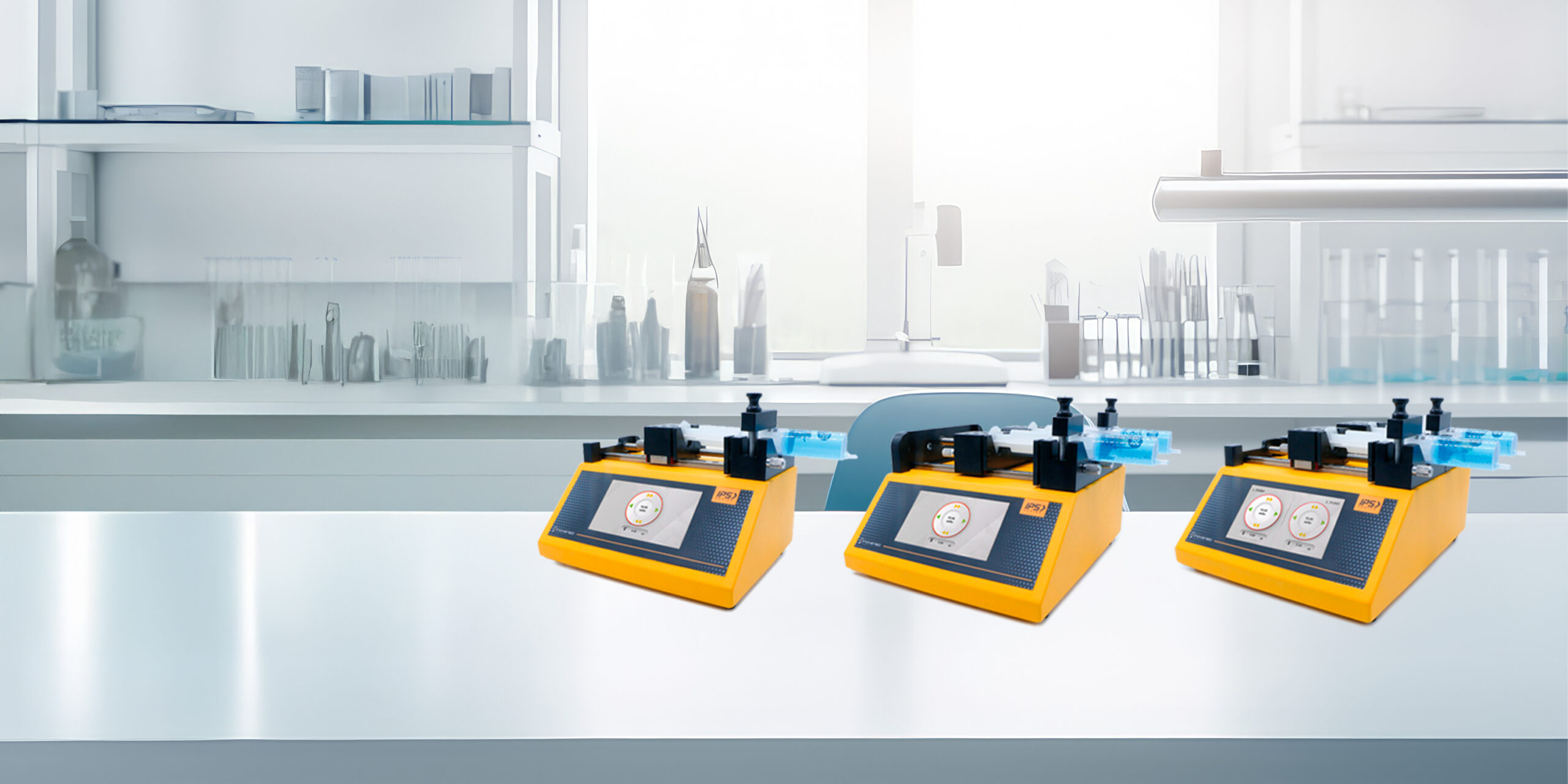
Programmable syringe pumps for electrospinning, microfluidics, chromatography, drug delivery research and analytical workflows.
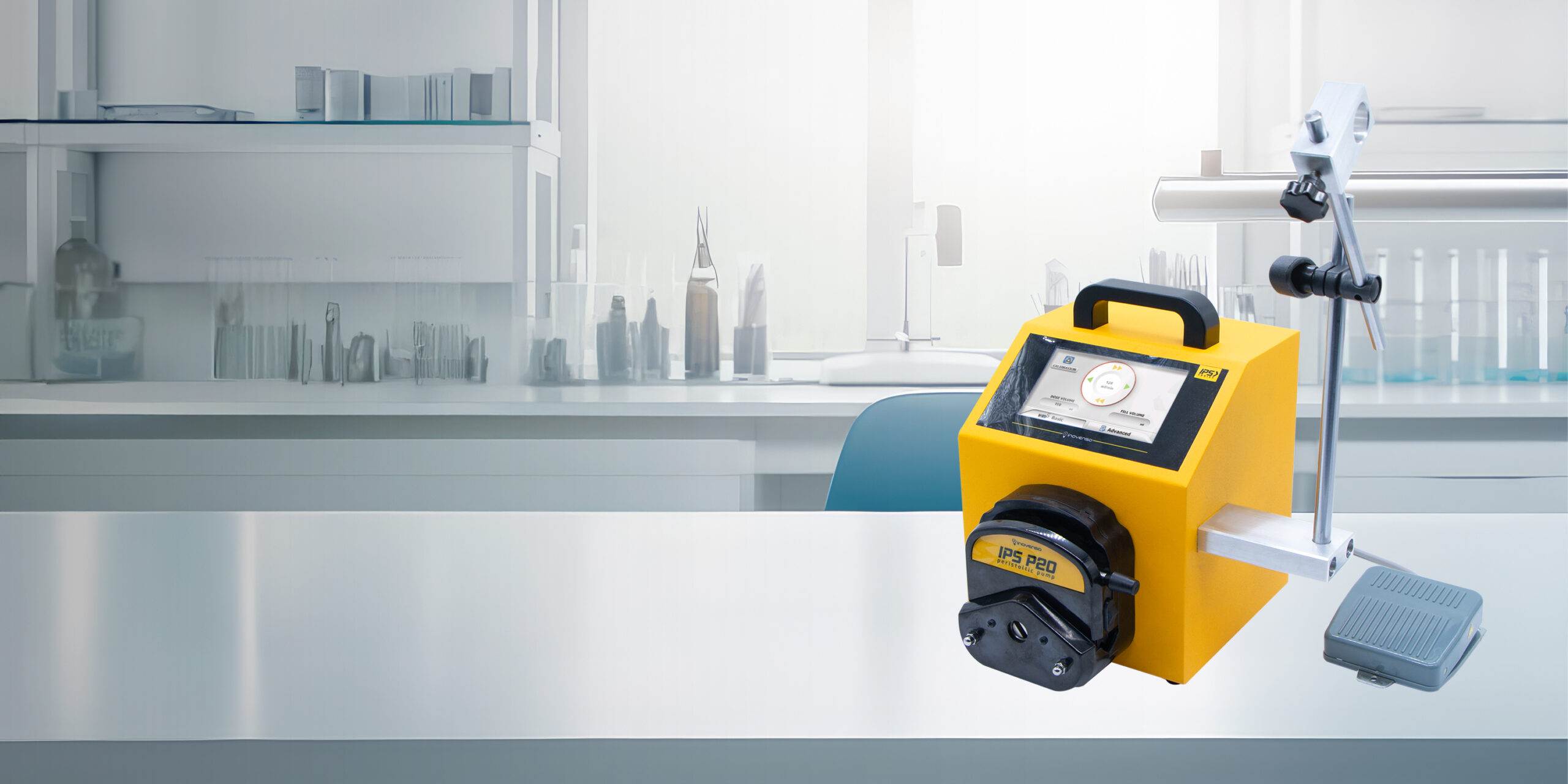
Peristaltic pumps for sterile, contact-free liquid transfer in biotechnology, pharma, chemical, food and industrial labs.

IDC‑20 dip coating system for nanomaterials, functional films, sensors, biomaterials and surface engineering research.
Watch real product videos and workflow-focused films from the Yellow Labware channel — from high-torque mixing to precision fluid control.
IMS‑04 video showcase for demanding laboratory mixing workflows, high torque operation and controlled formulation processes.
A compact brand film for IPS syringe pump workflows, precision dosing and everyday laboratory fluid control.
The IMS overhead stirrer range supports precise digital mixing for low-viscosity liquids, optimized torque workflows, high-viscosity formulations and direct GL‑45 bottle mixing applications.
| Model | Positioning | Speed Range | Torque / Use |
|---|---|---|---|
| IMS‑01 | Efficient Torque Model | 100–2000 RPM | Efficient overhead stirrer with touchscreen control for precise, repeatable low-viscosity laboratory mixing workflows. |
| IMS‑02 | Optimized torque model | 100–2000 RPM | Recipe support, buzzer option and bidirectional stirring for repeatable workflows. |
| IMS‑03 | Medium torque model | 50–2000 RPM | Higher torque capacity for more demanding mixing applications. |
| IMS‑04 | Advanced high torque model | 50–2000 RPM | 0.6 Nm torque, up to 100,000 mPa.s viscosity and up to 40 L stirring volume. |
| GL‑45 | Direct bottle mixing model | 100–2000 RPM | GL‑45 thread compatible direct bottle mounting, brushless DC motor, digital control, ±2% speed accuracy and 1–10 mm shaft compatibility. |
The IPS syringe pump range covers single-channel, synchronized dual-channel, independent dual-channel and Wi‑Fi enabled workflows. All syringe pump families share a precision platform built for accurate low-flow delivery.
Lowest flow rate for ultra-low-flow laboratory dosing and microfluidic workflows.
Maximum syringe pump flow across the IPS syringe pump platform.
Syringe compatibility for small-volume analytical setups and larger research protocols.
TFT touch interface with programmable operation and workflow-focused controls.
| Series | Configuration | Best For | Key Message |
|---|---|---|---|
| IPS‑12 Series | Single channel syringe pumps | Precise infusion, withdrawal options and recipe-based single-fluid protocols. | Core single-channel platform for reliable, programmable fluid delivery. |
| IPS‑13 Series | Synchronized dual channel syringe pumps | Co-axial electrospinning, gradient mixing and matched dual-fluid delivery. | Two interdependent channels move together for synchronized flow. |
| IPS‑14 Series | Independent dual channel syringe pumps | Comparative dosing, complex multi-fluid protocols and independent channel control. | Two fully independent channels, each with its own flow behavior. |
| IPS‑15 / IPS‑16 | Wi‑Fi enabled smart syringe pumps | Remote operation, grouped pump management, mobile control and data export. | Built-in Wi‑Fi with SSL connectivity, app control and CSV export. |
Peristaltic pump systems provide contact-free liquid transfer through flexible tubing, making them suitable for sterile workflows, sensitive fluids and continuous-flow applications.
Single-channel programmable peristaltic pump for high-volume transfer, recipe workflows, calibration and reversible flow.
Speed range for IPS‑20 fluid transfer control, with flow calibration for precise dispensing.
Multi-channel peristaltic pump for parallel low-flow dispensing and repeatable batch workflows.
Multi-channel configuration for controlled parallel dispensing with Learn & Repeat operation.
The IDC‑20 dip coater is designed for smooth, repeatable thin-film coating on diverse substrates in material science, nanotechnology, biomedical engineering and surface treatment research.
Lab-scale dip coater for R&D labs, universities and surface treatment professionals.
Dipping and withdrawal speed for precise motion and coating thickness control.
Maximum stroke length with compact, lab-friendly operation.
Programmable cycles and repeats for repeatable coating recipes.
A compact homepage showcase for strong product entry points across mixing, precision pumping and continuous fluid transfer.
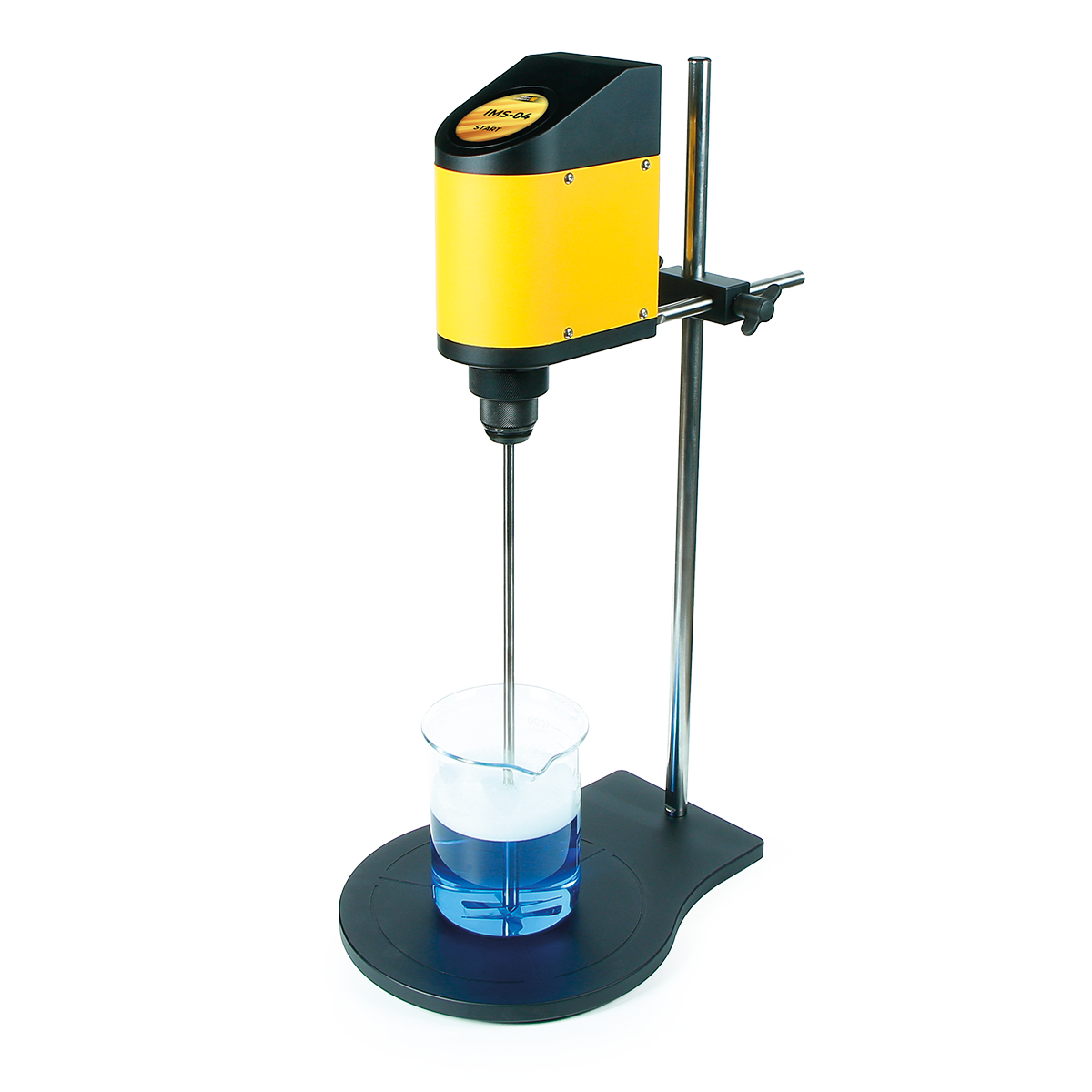
High torque overhead stirrer for high-viscosity samples, advanced formulations and continuous laboratory operation.

Independent dual-channel syringe pump for complex multi-fluid protocols, flexible dosing and precise research workflows.

Programmable peristaltic pump for contact-free transfer, reversible flow, calibration and repeatable recipe operation.
Download the Yellow Labware Catalog 2026 for product families, model options, key specifications and application guidance across pumps, dip coating and laboratory mixing systems.
Tell us your workflow, fluid type, flow range, coating protocol or mixing requirement. Our team can help match the right Yellow Labware system to your laboratory process.